

The After-Action Review for Retail: What Security Teams Miss After a Crisis

After the shock, damage and disruption of a crisis have worn off and store managers and associates are returning to work, it’s tempting to breathe a sigh of relief and return to business as usual. However, doing so causes most retail security teams to miss an invaluable opportunity to assess what worked and avoid what didn’t. That’s where an after-action review (AAR) becomes essential.
Why Retail Disaster Recovery Is the Most Overlooked Phase of Disaster Planning
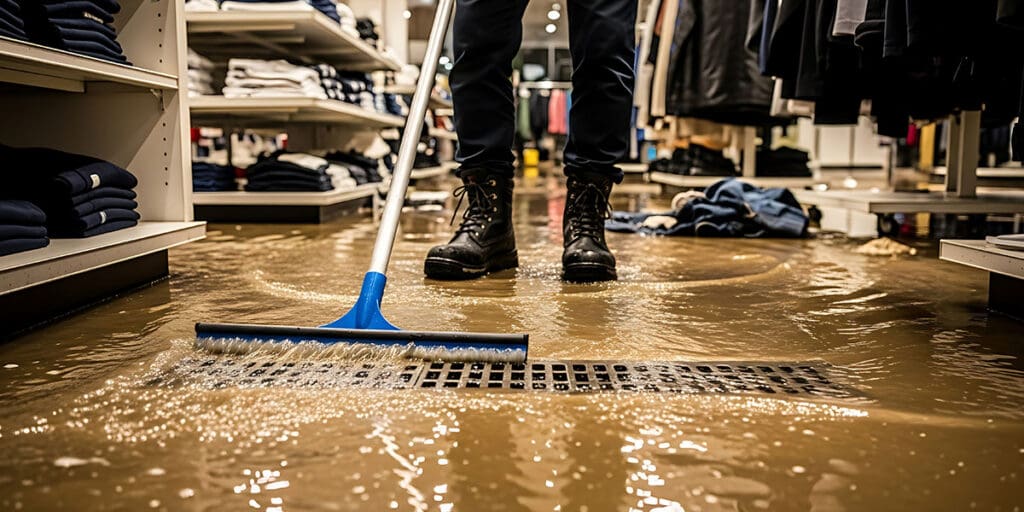
When retailers prepare for hurricanes, wildfires, floods or other natural disasters, the focus often goes to the immediate threat: protecting property, communicating closures and keeping people safe. But for multi-location retailers, the bigger operational test often comes after the event.
Protos Security’s Aaron Duxbury Featured in SDM Magazine’s Article, “Navigating the ‘Wide Open Ocean’ of Video Monitoring

Aaron Duxbury was recently featured in SDM Magazine’s article, “Navigating the ‘Wide Open Ocean’ of Video Monitoring,” which explored the opportunities, challenges and innovations shaping today’s rapidly growing video monitoring industry.
Download the RFP Toolkit
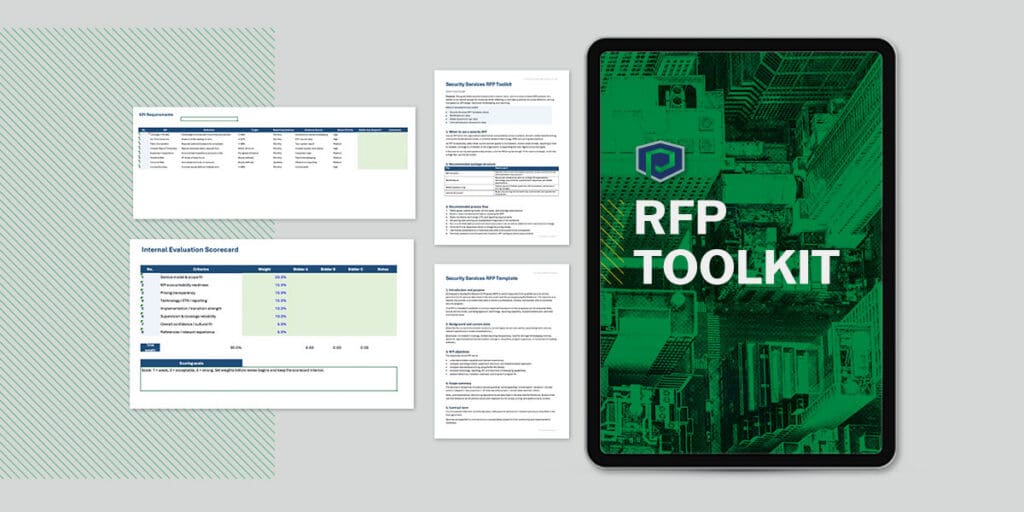
Choosing a security provider through an RFP process can be challenging when vendor responses, pricing structures and accountability measures vary widely. The Enterprise Security RFP Toolkit helps procurement and security leaders create a more structured, apples-to-apples evaluation process with practical resources including an RFP template, bid workbook, evaluation scorecard and bidder Q&A tracker.
Download the Dirty Dozen eBook

This eBook uncovers 12 common revenue recapture tactics that can quietly drive up costs after the RFP process. Learn how hidden fees, vague contract language, billing changes and labor practices impact your budget—and discover what procurement teams can do to protect their organization before signing a security contract.
Protos Security’s Aaron Duxbury Featured in SDM Magazine’s Lessons Learned & Practical Advice From Experienced Dealers
Aaron Duxbury was recently featured in SDM Magazine’s article, “Welcome to Video Monitoring: Lessons Learned and Practical Advice from Experienced Dealers,” which brought together leaders from across the security industry to share insights on building and scaling successful video monitoring programs. Read the full article to learn more.
Security Budget Checklist for Executives: How to Cut Costs Without Increasing Risk

Security budgets may be under pressure, but cutting costs without a clear strategy can create greater risks and hidden expenses. This article provides a practical 10-point checklist for security leaders and procurement teams to evaluate security spending, assess site-specific risks and make informed decisions about staffing, technology and off-duty law enforcement coverage.
How to Reduce Security Spend Without Compromising Coverage

Security budget reductions don’t have to come at the expense of safety. This blog explores how organizations can lower security costs through site-specific risk assessments, right-sizing coverage and strategically incorporating technology and security solutions. It also highlights the hidden costs of cutting too deeply, including increased liability, employee turnover, customer dissatisfaction and product shrink.
Event Security Planning for Businesses: How Enterprise Teams Can Prepare for Large Crowds and Local Disruption
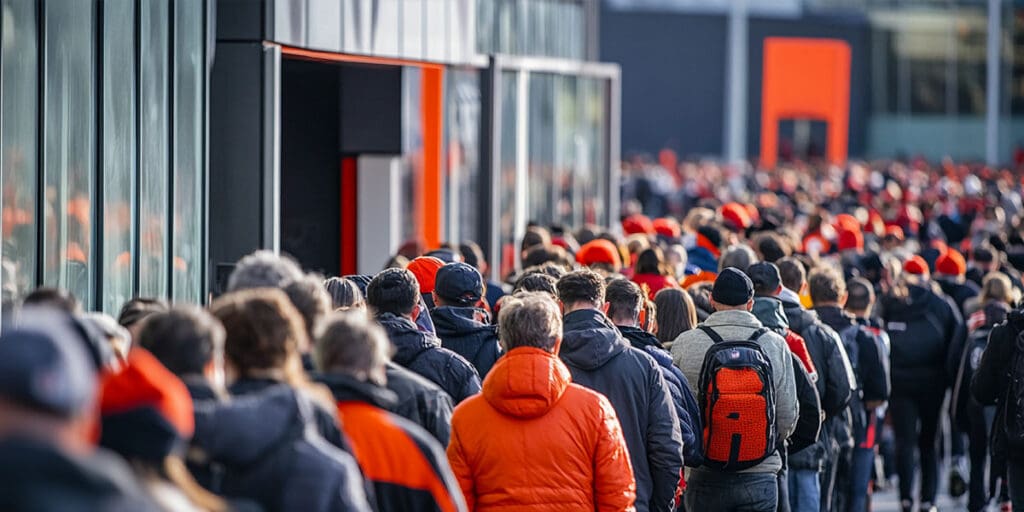
Large-scale event security is not limited to stadiums, arenas, or official event venues. During major events such as the 2026 FIFA World Cup, surrounding businesses may experience crowd surges, parking lot incidents, access disruptions, delivery delays, unauthorized visitors and higher demand for temporary security coverage.
Brews & Belters Podcast: Dan Arnold on World Cup Security

Dan Arnold, Senior Vice President of National Operations at Protos, joins the Brews & Belters podcast to provide an insider’s perspective on the extensive security planning required for major global sporting events like the FIFA World Cup.