

Large-scale event security is not limited to stadiums, arenas, or official event venues. During major events such as the 2026 FIFA World Cup, surrounding businesses may experience crowd surges, parking lot incidents, access disruptions, delivery delays, unauthorized visitors and higher demand for temporary security coverage.
For enterprise organizations with retail, hospitality, logistics, office, restaurant, or mixed-use properties in host-city markets, event security planning should begin with one question: which locations will be affected by how people and vehicles move before, during and after the event?
Stadiums and official fan areas will have dedicated security plans. Nearby businesses still need their own approach to crowd management security, parking lot patrols, employee access, visitor control, incident escalation and after-hours coverage. Protos helps enterprise teams coordinate temporary coverage across multiple sites, property types, risk tiers and event windows.
The Impact of Large Events Extends Beyond the Venue
Fans, tourists, vendors, media teams, event staff and local visitors often move throughout a city before, during and after major events. This can create added pressure around hotels, restaurants, shopping centers, nightlife districts, public transit, airports, parking areas and commercial properties.
Businesses may experience higher visitor volume, more activity in parking lots and common areas, longer lines near entrances, increased risk of theft or trespassing, delayed deliveries and greater demand on local emergency services.
For events like the 2026 FIFA World Cup, security for host cities will require planning well beyond stadium operations. Businesses near fan zones, hotels, airports, transit routes and entertainment areas should prepare for increased activity and potential disruption.
Businesses Should Plan Before Security Demand Increases
As large events approach, demand for qualified security officers, mobile patrols, off-duty law enforcement and temporary security coverage can rise quickly in affected markets.
Multi-site organizations should review staffing plans early. Corporate security and facilities teams should identify exposed properties, review escalation procedures, assess exterior risk and coordinate with property managers, tenants or local stakeholders.
A proactive plan can help businesses avoid last-minute staffing challenges and ensure security coverage is aligned with expected crowd activity, operating hours and property-specific risks.
Retail and Restaurant Locations Need Crowd, Queue and Parking Lot Plans
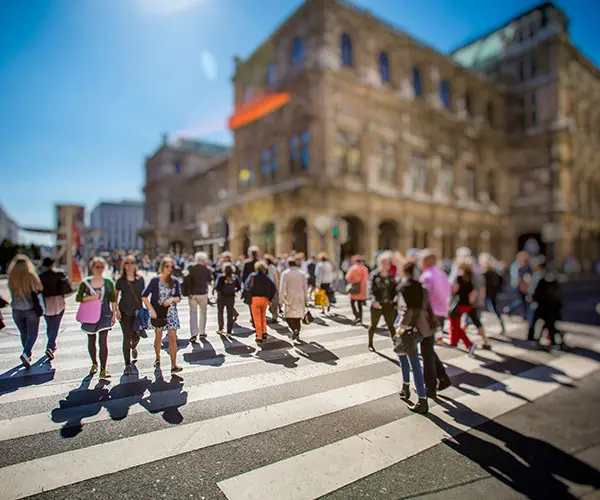
Retail stores, shopping centers, restaurants, bars and entertainment venues often see traffic increases before and after major events. These surges can create business opportunities, but they may also raise concerns around theft deterrence, queue management, storefront visibility, exterior patrols and parking lot security.
Businesses near stadiums, fan zones, hotels, transit stops or entertainment districts should review projected event schedules and determine whether temporary guard coverage is needed.
Retail security services and crowd management security can help maintain order during peak traffic periods while supporting customers, tenants and employees.
Need to prioritize coverage across multiple locations?
Protos can help identify exposed properties, match coverage to event schedules and build a temporary security plan for retail, hospitality, logistics, office and commercial sites.
Hotels Should Prepare for Lobby, Curbside, Parking and Overnight Security Demand
Hotels may see higher occupancy, larger groups, international travelers, VIP guests and late-night activity during major events. Lobbies, curbside areas, valet zones, parking lots and guest entrances may become busier than normal.
Hotel security services can help support lobby control, guest arrivals, curbside access, visitor screening, parking lot patrols and overnight incident response.
For properties near stadiums, airports, entertainment districts or event venues, off-duty law enforcement may also be appropriate when a stronger deterrent presence or traffic support is needed.
Office and Mixed-Use Properties Need Access, Tenant and Perimeter Controls
Office buildings, corporate campuses and mixed-use properties may experience traffic delays, parking shortages, unauthorized visitors or increased pedestrian activity near the property during large events.
Commercial property security planning should include badge access review, visitor policy updates, tenant communications, parking controls, building perimeter awareness and updated emergency contacts.
Corporate security and facilities teams should align on access, patrol and escalation protocols before event activity begins.
Logistics Facilities Should Plan for Delivery Delays, Gate Access and After-Hours Activity
Large events can also affect warehouses, distribution centers and logistics facilities that depend on predictable transportation schedules.
Road closures, congestion, airport activity and altered delivery routes may affect normal operations. Security teams should prepare for gate access control, trailer staging, after-hours deliveries, driver check-in, loading dock patrols and adjusted receiving windows.
Temporary security coverage may help logistics sites manage extended hours, route changes and after-hours activity during periods of increased local disruption.
Parking Lots and Exterior Areas Are Often the First Places Risk Appears
Many event-related security issues happen outside the building. Parking lots, garages, sidewalks, loading docks and exterior gathering areas may become more vulnerable when visitor traffic increases.
Parking lot security and exterior patrols can help deter vehicle break-ins, theft, unauthorized parking, loitering, trespassing, vandalism and disorderly conduct.
Businesses should confirm that exterior areas are well-lit, monitored and patrolled during peak activity periods. This is especially important for properties near event venues, public transit, hotels, shopping centers and entertainment districts.
A Host-City Security Readiness Framework for Businesses
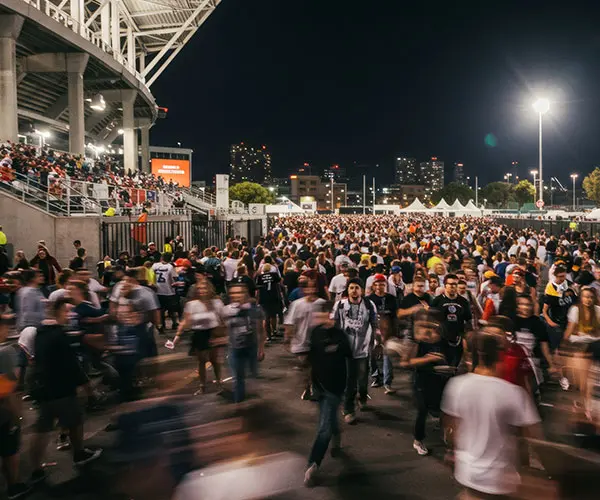
Enterprise teams should sort affected locations into three readiness tiers:
Tier 1: High exposure. Properties within walking distance of stadiums, fan zones, hotels, nightlife districts, transit hubs, or major parking areas. These locations may need temporary security coverage, parking lot patrols, access support, crowd management security and clear escalation procedures.
Tier 2: Moderate exposure. Properties along major travel corridors, near airports, near event hotels, or in commercial districts likely to see increased visitors. These locations may need adjusted patrol schedules, employee communication, vendor access updates and mobile patrol support.
Tier 3: Operational exposure. Warehouses, offices, logistics sites and commercial properties not near the event but affected by road closures, traffic congestion, staffing changes, delivery delays, or after-hours activity. These locations may need revised access control, delivery procedures and temporary coverage during adjusted operating windows.
How Protos Security Can Support Event Security Planning
Protos Security helps organizations prepare for changing security needs with scalable business security services based on location, risk level, operating hours and portfolio requirements.
For large events, Protos can support:
- Temporary guard coverage for short-term demand spikes
- Off-duty law enforcement for higher deterrence or traffic support
- Mobile patrols for parking lots, garages and exterior areas
- Retail security services for stores, restaurants and entertainment venues
- Hotel security services for lobbies, curbside areas and overnight response
- Commercial property security for offices, campuses and mixed-use sites
- Logistics security for gates, yards, docks and delivery windows
- Multi-location coordination for regional or national portfolios
Whether a business needs short-term event coverage or a broader security plan for a major local event, Protos can help build a flexible approach that supports safety, continuity and operational confidence.
What Businesses Should Do When a Major Event Is Already Underway
Even if long-range planning has passed, businesses can still reduce risk during the event window. Security leaders should prioritize the locations with the greatest exposure, confirm coverage for the highest-traffic dates, update escalation contacts and communicate site-level procedures to employees, tenants, vendors and property managers.
During the World Cup, the most important planning windows are not only match times. Businesses should also prepare for arrivals, watch parties, post-match celebrations, late-night movement, rideshare activity and next-day travel.
Prepare Before Crowds and Disruption Increase
For organizations evaluating large event security planning, the best time to prepare is before local demand peaks. Early planning can help protect employees, guests, parking areas and commercial property while keeping operations moving during event-related disruption.
Major events like the 2026 FIFA World Cup are a reminder that security planning should extend beyond the venue. Businesses in host cities and high-traffic commercial areas should evaluate their risks early and secure the right support before crowds arrive.
Review your large-scale event security readiness review for retail, hospitality, office, logistics or commercial properties.
Talk with a Protos specialist about building a program that fits your sites.