

Petrochemical Security Programs: How Energy Leaders Protect Complex Sites

Petrochemical and energy sites face layered security challenges, from organized theft and insider risk to strict compliance requirements and remote-site staffing limitations. In this guide, we break down how energy leaders can build stronger programs.
Protos Security Hosts Webinar with LPM on Retail Preparedness for Natural Disasters and Emergencies

We recently partnered with the Loss Prevention Magazine to host a webinar titled “Retail Readiness: Protecting Businesses Before, During, and After Natural Disasters and Emergencies.” Learn more and get access to watch the webinar on-demand.
Scaling Security Across Remote and Multi-Site Energy Operations
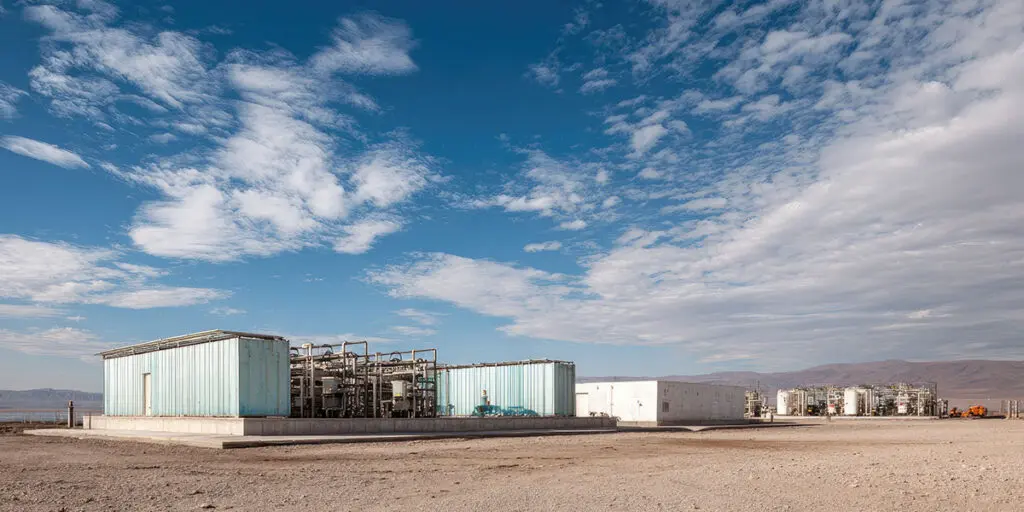
Energy companies operate across hundreds of sites, spanning dense industrial corridors and towns that barely show up on a map. For security leaders responsible for that entire footprint, the challenge isn’t just keeping each site covered. It’s doing it consistently, at speed, when the work never stops.
Lay-down Yards and Pipeline Construction Security

Pipeline construction is not a forgiving environment. The sites are large, the timelines are long, the assets are expensive and the regulatory oversight is unrelenting. Energy is among the most heavily regulated industries in the United States, and the security programs that support pipeline construction and lay-down yard operations are not exempt from that scrutiny.
Petrochemical Facility Security: Managing Insider Threats, Theft and Organized Crime

This blog explains why petrochemical facilities require a highly specialized security approach due to their scale, regulatory demands and exposure to sophisticated threats. Most incidents are planned and often involve insider knowledge, particularly during high-risk turnaround periods when large numbers of subcontractors are on site.
Refinery Turnaround Security: Managing Risk During the Highest-Stakes Window

Refinery turnaround security requires a different level of planning and control than day-to-day industrial facility security. For most industrial facilities, day-to-day operations carry a predictable rhythm. The same crews, the same access points and the same routines. But when a refinery goes into turnaround, that rhythm breaks entirely.
How to Think About House of Worship Security: A Guide for Faith Leaders and Security Directors

This guide provides a practical framework for building an effective house of worship security program that protects congregants without compromising a welcoming environment. It outlines how faith leaders and security teams can start by assessing their institution’s unique threat profile, then align the appropriate level of security. Read our full series on security in religious institutions to learn more.
Multi-Site House of Worship Security: A Smarter, Scalable Approach
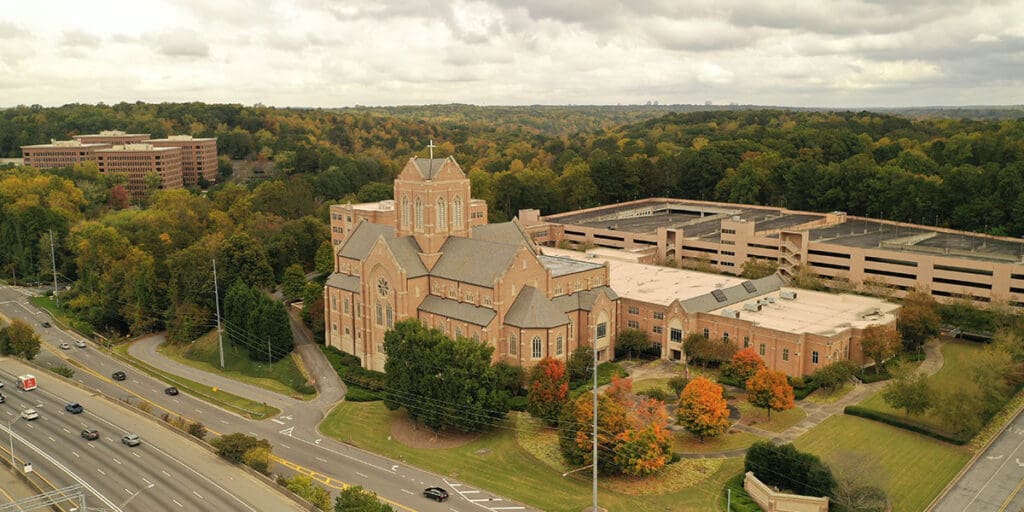
Multi-site houses of worship face complex security challenges across campuses, neighborhoods and service schedules. Learn how centralized oversight and the right mix of security resources can strengthen your religious institution security program.
The Value of Off-Duty Law Enforcement for Houses of Worship

This article explains why many houses of worship are reevaluating their security approach as threats become more targeted and severe. It highlights how off-duty law enforcement provides a higher level of deterrence, authority and situational awareness compared to traditional or volunteer-based security models.
Why Off-Duty Law Enforcement Works So Well in Religious Settings

Security outcomes are shaped not only by coverage and data but by the psychology of safety, how employees and customers perceive their environment, the credibility of the security presence and the quality of interactions during tense situations. Read our full blog series about the psychology of safety in workplaces and communities.