Key Takeaways:
- Data centers are moving to rural areas to access expansive physical footprints and larger power grid capacity required for evolving AI needs.
- Remote sites can face delayed law enforcement response times, local security staffing shortages, external threats and infrastructure risks like utility leaks.
- Centralizing guard management, off-duty law enforcement networks and remote video surveillance onto a single platform eliminates administrative silos across data centers.
Remote AI-ready data centers require large footprints, substantial water resources for cooling and electrical power consumption levels never seen before. Urban and suburban areas don’t offer the available land or grid capacity required for today’s massive developments. Now, we see more and more developers constructing data centers in remote, rural areas for scalability.
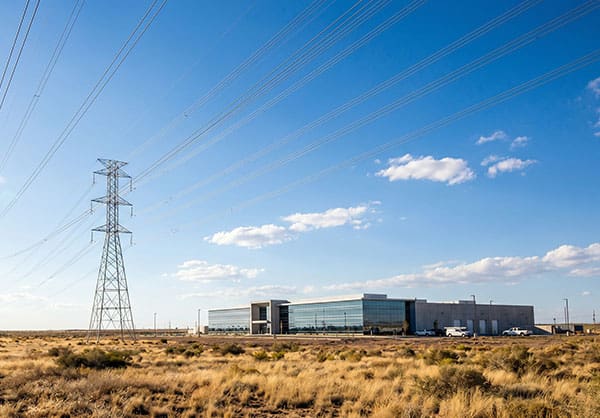
While urban sites tend to carry high population-dense crime scores, security risk modeling from CAP Index shows that rural megasites present distinct vulnerabilities, including great distances, limited natural surveillance and delayed response windows, all of which can elevate site exposure. Securing thousands of acres of remote data centers calls for an adaptive approach to technology and resource management.
What Challenges Do Remote AI-Ready Data Centers Face in Physical Security?
Digital risk is often what comes to mind for most people discussing data center security, but their physical perimeters face unique threats. Site managers and procurement executives, in the absence of a dedicated internal security leader, must apply core security fundamentals to mitigate several distinct environmental, structural and human vulnerabilities:
- Extended Law Enforcement Response Times: Rural sheriff departments and local law enforcement agencies typically cover vast territories with limited active patrol units. According to a report from the National Library of Medicine, emergency response windows in rural regions can be significantly longer than in urban areas; isolated facilities can’t rely solely on local emergency dispatch for immediate support.
- Localized Labor Shortages and Risk Normalization: Small, spread-out local populations make for smaller security staffing pools. Sourcing and retaining qualified security officers in remote areas can create persistent coverage gaps and increased risk for data center staff.
- External Threats and Public Response: Concern over AI automation and localized data center growth can cause physical disruption from neighboring populations. External threats can range from physical vandalism and property damage to unauthorized access via drone activity.
- Proactive Utility and Infrastructure Monitoring: By virtue of being physically present, security officers also help detect utility leaks, water cooling pressure drops or thermal hazards before critical downtime occurs.
Centralized Program Oversight Across Multi-Site Footprints
Managing security operations across multiple remote data centers using fragmented, local vendor contracts can create administrative friction and real visibility gaps. A unified platform model, on the other hand, can streamline operations and provide insight into site performance metrics, billing records and incident alerts.
Using a connected system of remote video surveillance, off-duty networks and physical guarding services eliminates administrative burden and keeps multi-site security programs aligned with broad corporate standards.
A MODERN SECURITY EXPERIENCE FOR DATA CENTERS
Our security personnel are highly skilled in securing high tech facilities for unparalleled protection and compliance with national security standards.
Physical Security Checklist for Remote AI Data Centers
Site managers and corporate leaders can evaluate the security readiness of a remote data center or a network of data centers using this checklist:
- Perimeter Visibility: Confirm outer fence lines, gates and other perimeters have clear line-of-sight visual coverage and adequate lighting.
- Roving Patrol Schedules: Establish randomized, continuous patrol routes to maintain a visible security presence around outer boundaries.
- Off-Duty Coordination: Secure dedicated off-duty law enforcement coverage to help reduce emergency dispatch delays in less populated, rural areas.
- AI Video Integration: Deploy smart perimeter cameras with real-time video analytics and remote audio capabilities.
- Infrastructure Checkpoints: Integrate utility, water cooling line and thermal check scans into digital guard touring routines.
- Centralized Reporting: Consolidate incident logs, time tracking and guard verification onto a single platform.
Frequently Asked Questions
Why are AI data centers being constructed in remote areas?
AI workload processing requires massive physical footprints, lots of acreage and immense power grid capacity that urban environments can’t support. Rural areas provide access to high-capacity energy infrastructure and more acreage.
What is the primary role of physical security officers at an AI-ready data center?
Security officers at data centers focus primarily on mobile perimeter patrols. This establishes a visual presence, helping protect physical boundaries, prevent unauthorized access to staff and even monitor infrastructure for environmental dangers like water leaks or fire risks.
Why are human security officers necessary if a facility uses remote video monitoring?
While smart video monitoring delivers continuous coverage, human security officers provide critical de-escalation capabilities. Blending physical guarding with remote video guarding creates the most comprehensive security posture.
Strengthening Remote Data Center Physical Security
As tech companies continue to scale data center infrastructure in remote areas, physical security strategies need to be able to address the unique risk profiles and growing footprints. By applying foundational security principles and pairing officers with AI-driven remote video guarding, site managers can ensure the safety of critical infrastructure and on-site staff.
Centralizing guard management, off-duty law enforcement programs and remote surveillance onto a unified digital platform ensures that every data center operates under consistent quality and safety standards. Learn how Protos Security delivers custom remote data center physical security strategies to protect critical assets around the country.
Table of Contents