

IN THIS GUIDE: THE PSYCHOLOGY OF SAFETY
Why Security Outcomes Are Driven by Psychology
Security incidents are becoming more frequent, more brazen and more disruptive. Employees and customers feel it. Leaders feel it.
Data and coverage matter. Perception determines how people show up.
Security outcomes are shaped by four psychological layers:
- The environment people operate in
- The perception of risk and deterrence
- The interaction between security officers and the public
- The organizational impact that follows
When people don’t feel safe, they disengage. They call off shifts. They avoid certain locations. High performers leave first because they have options. Fear reshapes performance long before a major incident hits a report.
That’s the core of the psychology of safety.
Effective security reduces risk and restores confidence at the same time. If either piece is missing, the program falls short.
This guide brings together four perspectives that define how psychology drives security outcomes and how leaders should think about modern protection strategies.
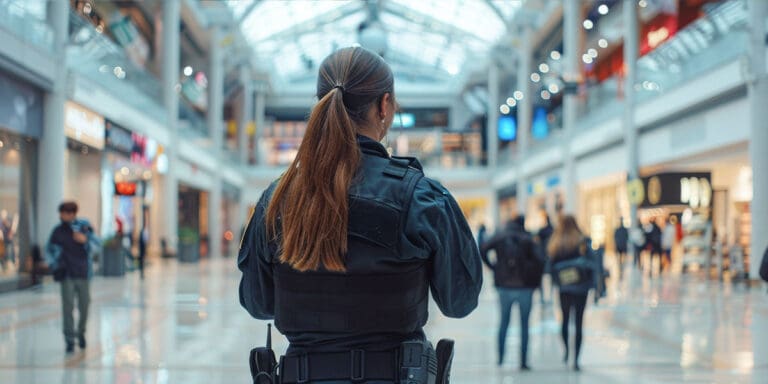
Environment: The Hidden Psychological Cost of Unsafe Workplaces
Unsafe environments carry a cost that rarely shows up on a balance sheet.
Turnover rises. Focus drops. Tension becomes normal. Teams operate in defense mode instead of performance mode. Over time, risk normalization sets in. People begin to accept volatility as routine until a major incident forces attention.
One retail location was experiencing theft seven to ten times a day. The biggest loss was not merchandise. Employees quit. Others stopped working weekends. Those who stayed came to work expecting confrontation.
When the right security presence arrived, theft dropped and employees stabilized. The shift was operational and psychological.
Read the full breakdown in The Hidden Psychological Cost of Unsafe Workplaces.
The lesson is direct.
Fear changes behavior. Security presence changes fear.
Employees read security quality as a signal of leadership intent. When organizations respond decisively, trust grows. When they under-resource protection, anxiety spreads.
Perception: Why Generic Security Falls Short
Security does not function the same way in every environment.
A bank branch, a hospital, a synagogue and a distribution center carry different risks and different emotional weight. Yet many providers deploy the same staffing model everywhere.
That is why generic programs struggle to deliver consistent outcomes.
In Why One-Size-Fits-All Security Fails, we break down how mismatched coverage erodes trust and what makes security credible in real environments.
- Presence creates perceived deterrence.
- Experience shapes judgment under pressure.
- Familiarity builds trust over time.
Deploying the wrong resource does more than waste budget. It disrupts the social signaling of authority that helps stabilize environments.
Modern security requires local expertise, agile coverage and the ability to match the right professional to the right situation. That flexibility is central to the Protos Promise.
Interaction: Why De-Escalation Techniques Matter

Not every incident becomes violent. Many are stopped before they fully form.
That outcome depends on recognition, timing and control.
In Why De-Escalation Works, we explore how de-escalation techniques function in practice and why experience shapes decision-making under pressure.
Security officers with real-world exposure recognize shifting behavior early. They adjust tone. They manage distance. They issue clear verbal commands. They know when slowing a situation changes the outcome and when decisive action is required.
Training provides structure. Experience sharpens judgment.
Security that lacks situational awareness can escalate tension unintentionally. Security that understands behavioral cues often prevents incidents from developing at all.
This is where perception and performance intersect. When employees watch professionals handle tension calmly, confidence spreads. When they see uncertainty, anxiety increases.
Organizational Impact: Building a Modern Security Experience That Never Settles
Security leaders face real pressure.
Budgets are tight. Geography is complex. Coverage must scale quickly during weather events, civil unrest or sudden threats. Billing must be transparent. Accountability must be clear.
Security programs do more than deploy officers. They shape how people experience risk, how leaders maintain control and how organizations protect revenue and reputation.
In The Psychology Behind Effective Security, we break down how perception of safety influences behavior, retention and performance across the organization. When employees trust the security strategy, engagement stabilizes. When they don’t, disengagement spreads quietly.
Settling for status quo guarding models increases workload, risk and cost.
Protos Security promises a modern security experience that never settles and dynamically adapts when, where and how it’s needed. Through thousands of vetted local guarding partners, the nation’s largest off-duty law enforcement network and integrated remote and specialized services, Protos aligns expertise to environment in real time.
Data-validated billing ensures clients pay for delivery, not expectation.
A single point of contact reduces friction.
The Protos Dynamic Security Management Platform provides visibility and accountability across locations.
Security should protect revenue, people and brand reputation without adding operational burden.
When security fits the environment, perceived deterrence increases. Behavioral response stabilizes. Employees focus on their work. Customers feel confident. Leadership has control.
That is the psychology of safety in action.
Build Security Around How People Actually Experience Risk
If your organization is reviewing its current approach, start with one question:
Do your employees feel protected?
If the answer is unclear, the strategy needs attention.
Connect with Protos to build a security program grounded in accountability, flexibility and behavioral insight.
Make safety non-negotiable.