

Key Takeaways:
- Unsafe workplaces change behavior long before incidents actually occur
- Fear drives turnover, disengagement and missed shifts more than policy gaps
- Employees read security quality as a signal of leadership intent
- Presence, consistency and judgment matter more than headcount
When a retail clothing store was being hit seven to ten times a day, the biggest loss wasn’t inventory. Employees were quitting. Others stopped taking weekend shifts. Those who stayed came to work tense, unsure how each interaction might unfold.
This isn’t rare. Roughly one in seven American workers say they don’t feel safe in their workplace.
That’s what unsafe environments do. They don’t just increase incident counts or insurance claims. They change how people think, act and perform at work.
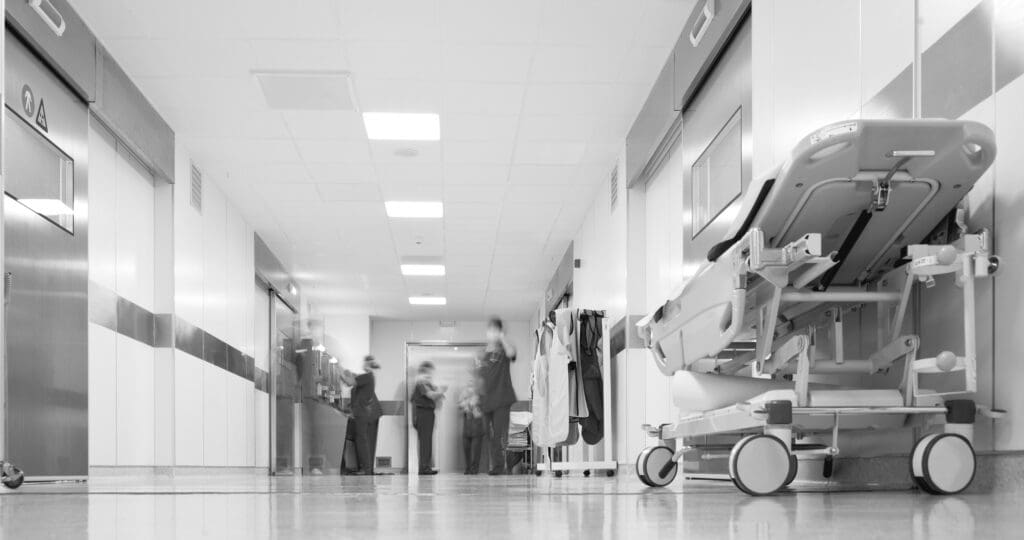
Fear Changes How People Show Up
That impact isn’t anecdotal; people are not feeling safe at work. Rates of workplace violence in healthcare settings, for example, have increased by nearly 30% over the past decade, exposing more workers to repeated threats and confrontations over time. Retail associates call out rather than face another unpredictable shift. Bank employees hesitate to come in after a customer makes a threat.
In the U.S. alone, more than 57,000 workers are injured each year due to workplace violence, including hundreds of fatalities.
Across industries, threats are no longer rare outliers. They’re part of the environment teams are expected to navigate.
When Safety Feels Uncertain
A single threat can ripple through an entire organization. Word spreads quickly. Focus slips. People start planning exits. The most capable employees often leave first because they have choices.
In these moments, how leadership responds matters. Visible, capable security can calm a workforce. Inconsistent coverage or underqualified personnel can deepen anxiety and erode trust.
You can technically “have security” and still leave people feeling exposed.
Concerned about how safety perception affects your workforce?
Learn how the right security presence can reduce fear, restore confidence and improve workplace performance.
Presence Builds Confidence
People feel safer around professionals who project calm and experience. Training, judgment and confidence are immediately noticeable, even when nothing happens.
That’s why some locations see dramatic changes simply from the right presence on site. Incidents drop. Tension fades. Employees focus on their jobs instead of watching the door.
When security is done well, the absence of incidents is the result, not the assumption.
One Size Doesn’t Work Everywhere
Every environment carries different risks. Retail, healthcare, banking and logistics demand different approaches. Executive protection requires a different skill set than loss prevention. De-escalation looks different depending on context. Putting the wrong resource in the wrong environment doesn’t just waste money. It signals that safety wasn’t thoughtfully considered. Consistency matters too. Familiar faces build trust. When employees know their security team and trust their judgment, fear loses its grip.
What Leaders Need to Recognize
Employees notice how organizations respond to risk. Nearly half of U.S. workers say they fear a coworker could become violent on the job, a clear sign that perception of safety shapes how people think at work. After a threat, employees pay attention. They talk about it. Their decision to stay or leave often hinges on whether they feel protected.
Security is more than preventing incidents. It’s about creating an environment where people can work without carrying constant tension into every shift.
When people feel unsafe, they disengage. When they feel protected, they perform.
The Bottom Line
The psychological cost of unsafe workplaces often outweighs the visible financial one. Lost focus, turnover and chronic stress quietly erode performance long before a major incident ever occurs.
Modern security addresses both sides of the equation. It reduces risk and restores confidence. It adapts to the environment, the moment and the people involved.
When security works, people stop scanning the room. They show up. They stay focused. Work feels normal again.
Protos promises a modern security experience that never settles and dynamically adapts when, where and how it’s needed. The approach is built around local expertise, agile coverage and the ability to scale quickly as conditions change.
Through always-accountable customer service, a single point of contact and billing based on delivery, Protos takes responsibility for performance on site. The result is consistent presence, visible judgment and a level of trust that allows teams to focus on their work instead of worrying about safety.
Is workplace safety perception affecting your team?
Talk with a Protos security specialist about building a security program that protects employees and restores confidence at work.