

How Protos Packs More Value into Every Dollar You Spend
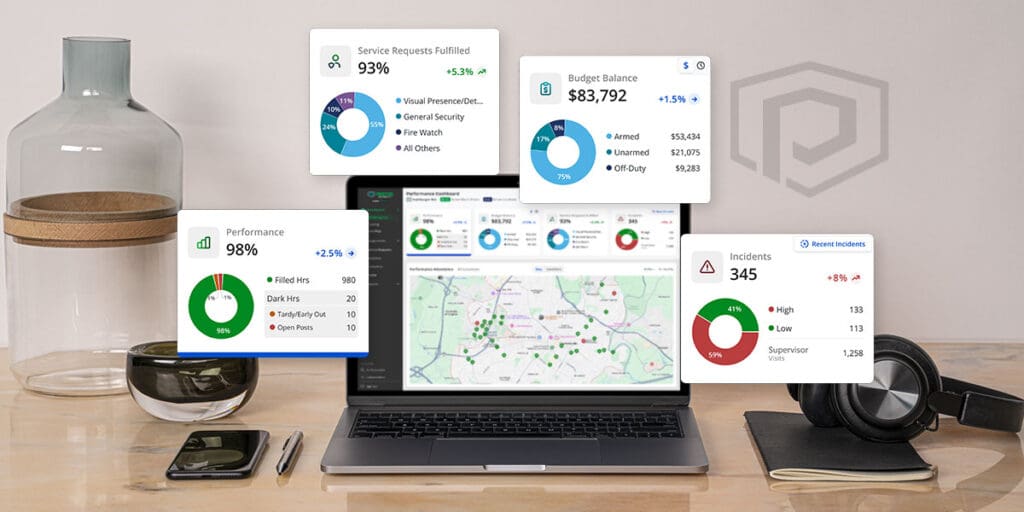
In this article, Protos Security’s Chief Revenue Officer Peter Platten shares how Protos helps every security dollar go further. He provides insight into how transparent, data-backed billing, a high-performing national vendor network and fully customizable security solutions work together to reduce risk, improve operational efficiency and deliver measurable value across complex security programs.
Case Study: How a Fortune 500 Energy Company Built Resilient, High-Accountability Security Through an MSP Model

This case study examines how a Fortune 500 energy company transformed its security program by shifting to a Managed Services Provider (MSP) model working with Protos Security. Through a high-touch, field-driven MSP approach, Protos replaced fragmented service with resilience, transparency and operational control.
The Power of Connected Security: How Protos Brings Visibility and Accountability into Focus
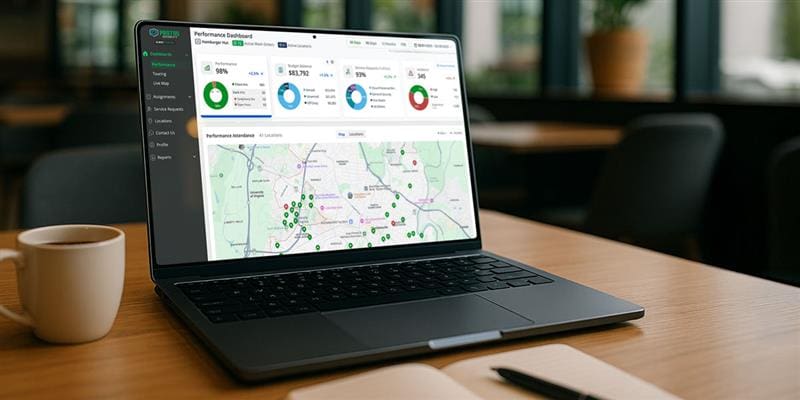
Explore Protos’ connected security solutions and product ecosystem. This blog provides insight into how integrated technology delivers real-time visibility, accountability and smarter security management.
What To Look for When Hiring an Unarmed Security Guard for Enterprise Workplaces

When large enterprises partner with a security provider to provide unarmed guards, they are doing more than just staffing a post, they are placing their brand, culture and risk management strategy on the front line. Protos understands that real security starts with the right people, supported by proper training and modern tools.
Retail Security During the Holidays: Preventing Theft and Protecting Staff

As holiday sales surge, so do the risks of organized retail crime, store theft and cargo loss. To stay ahead, retailers need to use a layered approach to retail security, one that integrates trained security officers, off-duty law enforcement and remote monitoring. This article is part of our holiday security series and explores how retailers can strengthen loss prevention strategies through proactive retail security measures.
Retail Security During the Holidays: Why Guard Touring Tech Matters More Than Ever

The holiday season is the busiest time of year for most retailers, and that surge in activity makes effective retail security both more difficult and more essential. While traditional conversation places focuses on staffing, store layout and physical deterrers, the real advantage today comes from combining trained personnel with modern technology: using systems that monitor, verify and optimize what’s actively being done.
Case Study: Protos Security and Community-Based Women’s Support Organization

Protos Security helped a women’s support nonprofit organization overcome unreliable coverage and operational gaps by delivering consistent, compassionate and mission-aligned protection. Within 90 days, the organization saw improved safety by working with Protos.
Whitepaper: Securing Complex Enterprise Portfolios

As enterprise risks continue to escalate in
volume, severity and complexity, organizations
require a security partner with the depth,
discipline and agility to respond. Protos
delivers that confidence through a holistic
model, integrating field operations, real-time
technology, centralized management and rapid
responsiveness.
How to Build a Security Services RFP That Ensures Accountability and Results

A security services RFP sets the foundation for everything that follows, from service quality and accountability to compliance and cost control. This guide outlines how to write a security RFP that builds accountability, integrates technology and ensures measurable performance across every site, whether you manage one facility or a national portfolio.
Holding Security Vendors Accountable: Ensuring Performance After the Contract Is Signed

This article provides insight into how to build a strong security RFP checklist and how to hold vendors accountable after the contract is signed. We’ll share how Protos ensures performance through transparent expectations, accurate data and a managed vendor network model.