Top Security Risks for Places of Worship
Key Takeaways
- Review the property, schedule and people who use the facility.
- Prepare for common concerns such as theft, violence, internal risks and emergencies.
- Give staff, volunteers and event leaders clear responsibilities and reporting procedures.
- Use trained personnel, technology and periodic exercises to support a practical plan.
Places of worship serve as gathering spaces, community centers and sources of support. Their open and welcoming nature can also create security challenges. Congregations should plan for the risks most relevant to their facilities while keeping safety measures practical and respectful of the community.
The most useful security plans begin with an assessment of the property, schedule and people who use it. The following risks are common starting points for that review.
A welcoming environment and a prepared environment are not opposites.
Clear procedures, trained people and thoughtful use of technology can help protect the congregation without placing unnecessary barriers between the community and the people it serves.
Theft and Vandalism
Donation areas, offices, equipment, religious artifacts and storage spaces may attract theft or vandalism. Doors and windows should be secured when areas are not in use. Lighting, surveillance, access controls, inventory procedures and regular checks can help reduce opportunities and support investigations.
Congregations should also consider how money, keys and valuable items are handled. Clear responsibilities and basic separation of duties can reduce confusion and help identify irregularities early.
Violence and Active Threats
Violence at a place of worship can affect congregants, staff, volunteers and visitors. Preparedness should include a process for reporting threats, procedures for contacting emergency services and a plan for evacuation or sheltering when necessary.
Staff and volunteers should understand their roles and avoid taking actions that exceed their training. A trained security presence may help deter threats, provide additional awareness and support a coordinated response. Security technology may also support prevention and response when it is used as part of a broader plan.
For congregations that need outside support, Protos Security can tailor a program around the property, service schedule and event calendar. Protos provides security guarding through its network of vetted local providers, as well as off-duty law enforcement personnel to meet each location’s specific needs. Protos also offers remote services for properties that need additional visibility without a constant physical presence and specialized services such as site assessments. This gives congregations options for matching coverage to their facilities and changing needs.
Internal Risks
Not every risk comes from outside the facility. Employees, volunteers, contractors or congregants may have access to money, information, keys or sensitive areas. Background screening where appropriate, clear protocols, access reviews and reporting channels can reduce the risk of theft, fraud or inappropriate behavior.
The goal is to protect the congregation while maintaining trust. Policies should be consistent, documented and applied fairly.
Crowd and Event Management
Large services, holidays, ceremonies and community events can create congestion in entrances, parking areas and gathering spaces. Planning should address traffic flow, emergency exits, accessibility, staffing, communication and the way the facility will be secured before and after the event.
Security teams and event leaders should have a way to communicate quickly. Radios, assigned posts and a clear escalation process can help staff respond to medical issues, lost children, disorder or other concerns.
Fire, Severe Weather and Other Emergencies
Places of worship may face fires, storms, flooding, power loss and other emergencies. Plans should include evacuation routes, emergency contacts, supplies, assembly areas and a method for accounting for people. Drills can help staff and volunteers become familiar with the procedures.
Emergency plans should reflect the people who may need additional assistance, including children, older adults and people with disabilities. Coordination with building management and local emergency partners can strengthen preparedness.
Domestic Violence and Harassment
A place of worship may be part of a person’s support network, which means domestic violence or harassment concerns can sometimes affect services and events. Leaders should have a process for responding to concerns, protecting vulnerable individuals and contacting appropriate community resources or emergency services.
Staff and volunteers should not be expected to investigate these situations themselves. Training can help them recognize warning signs, document concerns appropriately and escalate them to the right people.
PRACTICAL SECURITY SUPPORT FOR PLACES OF WORSHIP
Build a Plan That People Can Use
A place-of-worship security plan should be understandable to the people who carry it out. Staff, volunteers, clergy, facilities teams and event leaders may have different levels of training, so responsibilities should be assigned in clear language. Each person should know how to report a concern, where to direct visitors and when to contact emergency services.
The plan should also reflect the congregation’s calendar. A weekly service, a holiday gathering, a youth activity and a community event can change attendance, parking, entrances and staffing. Reviewing the plan before a major event gives leaders an opportunity to adjust traffic flow, access procedures and communication methods.
Security measures should support the character of the congregation. A welcoming environment and a prepared environment are not opposites. Clear procedures, trained people and thoughtful use of technology can help protect the community without placing unnecessary barriers between the congregation and the people it serves.
Learn from Exercises and Incidents
Short exercises can help a congregation test its assumptions. Leaders might walk through a medical emergency, a severe weather event or a report of threatening behavior and ask who makes the first call, who guides people and how information reaches the wider group. The exercise can identify gaps without requiring a full-scale drill.
After an incident or exercise, document the changes that should be made and assign an owner. Contact lists, door procedures, volunteer training and emergency supplies should be reviewed periodically. A plan that is maintained over time is more useful than one that exists only in a binder.
Balance Openness With Preparation
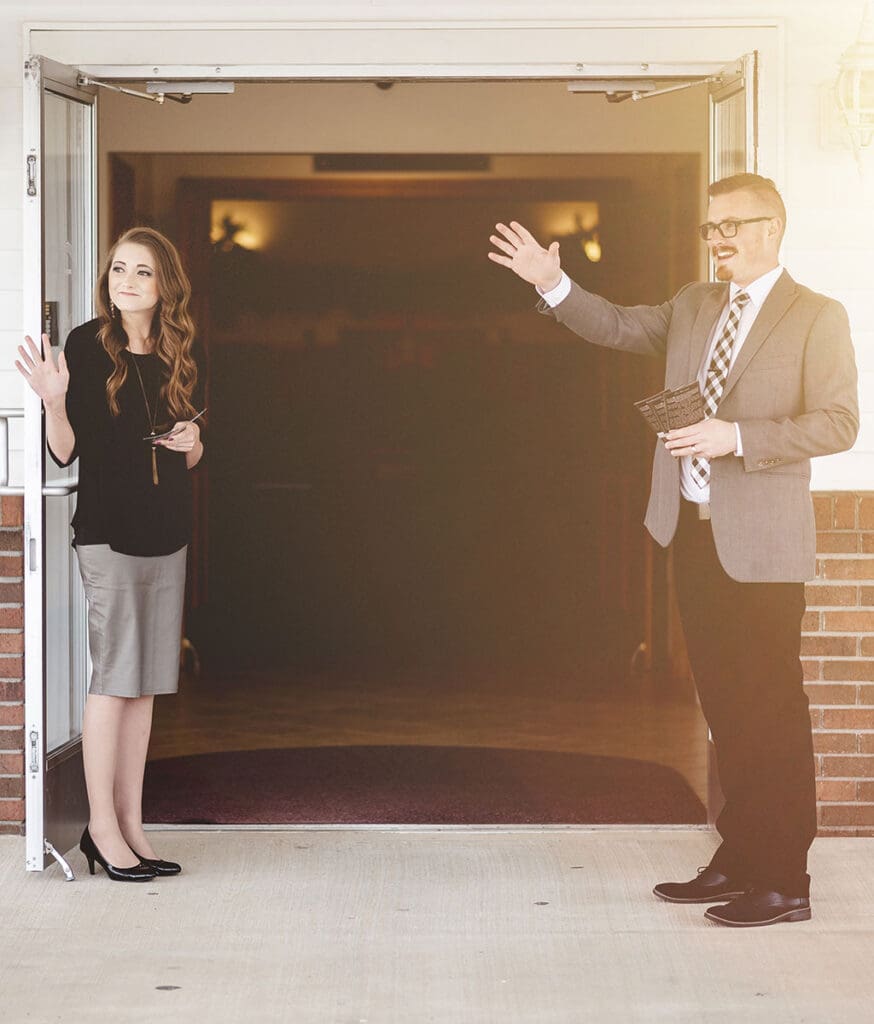
Places of worship often want people to feel comfortable entering the building and participating in services. That goal can remain central while leaders improve lighting, review access points, secure sensitive areas and train staff to report concerns. The most effective measures are usually the ones that fit naturally into the congregation’s routine and can be explained without creating fear. Periodic review gives leaders a chance to adjust the balance as the property, schedule or community changes.
Protos Security offers place-of-worship security solutions that can include guarding, off-duty law enforcement, remote services and site assessments. Working with each congregation, Protos develops coverage plans based on the property, schedule and risk environment while helping maintain a welcoming atmosphere. Contact Protos to discuss your security needs and explore the right level of support for your congregation.
Create a Practical Security Plan
A practical plan brings together assessment, training, technology, procedures and communication so congregations can support a safer environment while preserving a welcoming atmosphere.
Table of Contents