

Retail Security During the Holidays: Preventing Theft and Protecting Staff

As holiday sales surge, so do the risks of organized retail crime, store theft and cargo loss. To stay ahead, retailers need to use a layered approach to retail security, one that integrates trained security officers, off-duty law enforcement and remote monitoring. This article is part of our holiday security series and explores how retailers can strengthen loss prevention strategies through proactive retail security measures.
Retail Security During the Holidays: Why Guard Touring Tech Matters More Than Ever

The holiday season is the busiest time of year for most retailers, and that surge in activity makes effective retail security both more difficult and more essential. While traditional conversation places focuses on staffing, store layout and physical deterrers, the real advantage today comes from combining trained personnel with modern technology: using systems that monitor, verify and optimize what’s actively being done.
How to Build a Security Services RFP That Ensures Accountability and Results

A security services RFP sets the foundation for everything that follows, from service quality and accountability to compliance and cost control. This guide outlines how to write a security RFP that builds accountability, integrates technology and ensures measurable performance across every site, whether you manage one facility or a national portfolio.
Holding Security Vendors Accountable: Ensuring Performance After the Contract Is Signed

This article provides insight into how to build a strong security RFP checklist and how to hold vendors accountable after the contract is signed. We’ll share how Protos ensures performance through transparent expectations, accurate data and a managed vendor network model.
The Future of Security RFPs: Trends We’re Seeing in Security RFPs in 2025 and What to Expect in 2026

Our RFP response team has analyzed thousands of RFP questions from dozens of industries over the last five years to determine trends in the security industry. In this article, we explore the topics that define what a modern, future-proof RFP looks like.
Beyond Guard Hours: What Real Accountability Looks Like in Security Services

Accountability in security services goes beyond clock-ins and coverage. Learn how electronic timekeeping, transparent reporting and invoice reconciliation should shape your security RFP checklist to ensure visibility, accuracy and trust from day one.
Electronic Timekeeping: A Procurement Lens on Accountability, Transparency and Risk Mitigation
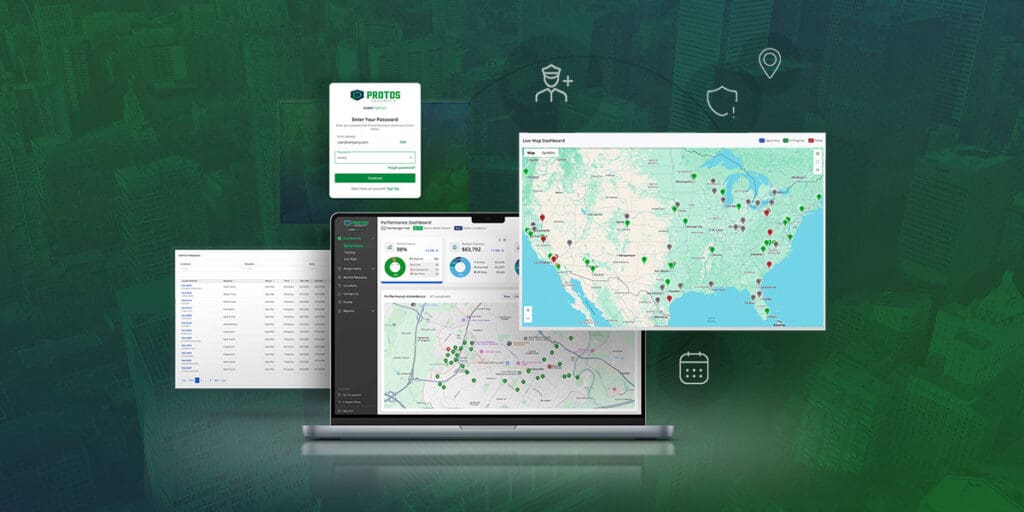
Verified time data strengthens contract performance and transforms the RFP process into a controlled, auditable framework for accountability. Procurement leaders seeking to control risk should view verified timekeeping as a non-negotiable safeguard, not a technology upgrade. Learn more in this article.
Retail Security Audit for the Holiday Season
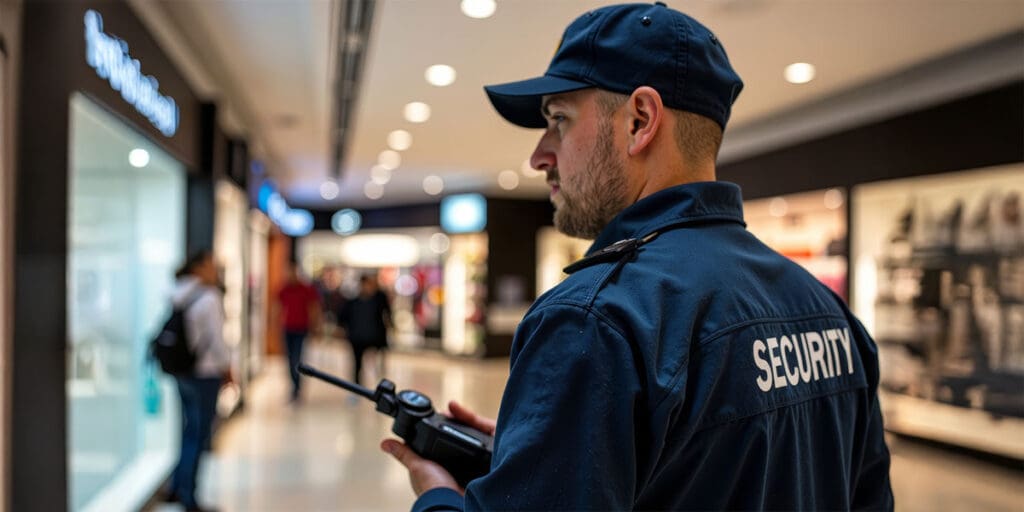
Holiday crowds, high-value merchandise and seasonal staffing make retail environments especially vulnerable to retail store theft and organized retail crime. Conducting a thorough holiday retail security audit helps strengthen loss prevention, improve access control, optimize surveillance and ensure your retail security presence is effective.
Holiday Theft Trends and Risks in Distribution

Standard freight may carry goods with relatively low replacement costs, but high-value shipments, such as pharmaceuticals, electronics and technology, are prime targets for organized crime networks. Protos delivers specialized security solutions to protect high-value cargo from theft. Our tailored strategies safeguard shipments and facilities during peak season and beyond, ensuring your supply chain and brand remain secure.
Preventing Retail Theft: Holiday Season Best Practices

The holidays bring record foot traffic, higher sales volumes and a rise in theft. Seasonal crowds and temporary staff can create an environment that fosters organized retail crime (ORC) and opportunistic theft. This article explores how staffing challenges and increased inventory create unique holiday season security risks and how retailers can strengthen their loss prevention programs through layered retail security strategies.